

Whether you’re self-employed, between jobs, not covered by an employer plan, or retiring early before Medicare kicks in, individual health insurance gives you a way to protect yourself and your family from unexpected medical costs. Millions of Americans purchase their own coverage every year — and navigating the options can feel overwhelming without the right guidance. The good news is that understanding a few key concepts can make the process much easier. In this article, we’ll walk you through everything you need to know before buying an individual health insurance plan, so you can make a confident, informed decision.
What Is Individual Health Insurance?
Individual health insurance is health coverage that you purchase on your own, rather than receiving through an employer or government program. It’s designed for people who are self-employed, work part-time, between jobs, or simply don’t have access to employer-sponsored benefits. With an individual plan, you choose the coverage, pay the premiums, and manage the policy yourself.
There are two main ways to buy individual health insurance: through the marketplace or off-exchange. Marketplace plans are sold through HealthCare.gov, the federal platform where eligible buyers can shop for coverage and potentially qualify for financial assistance. Off-exchange plans are purchased directly through an insurance company or a licensed agency like Akston Insurance, outside of the marketplace system.
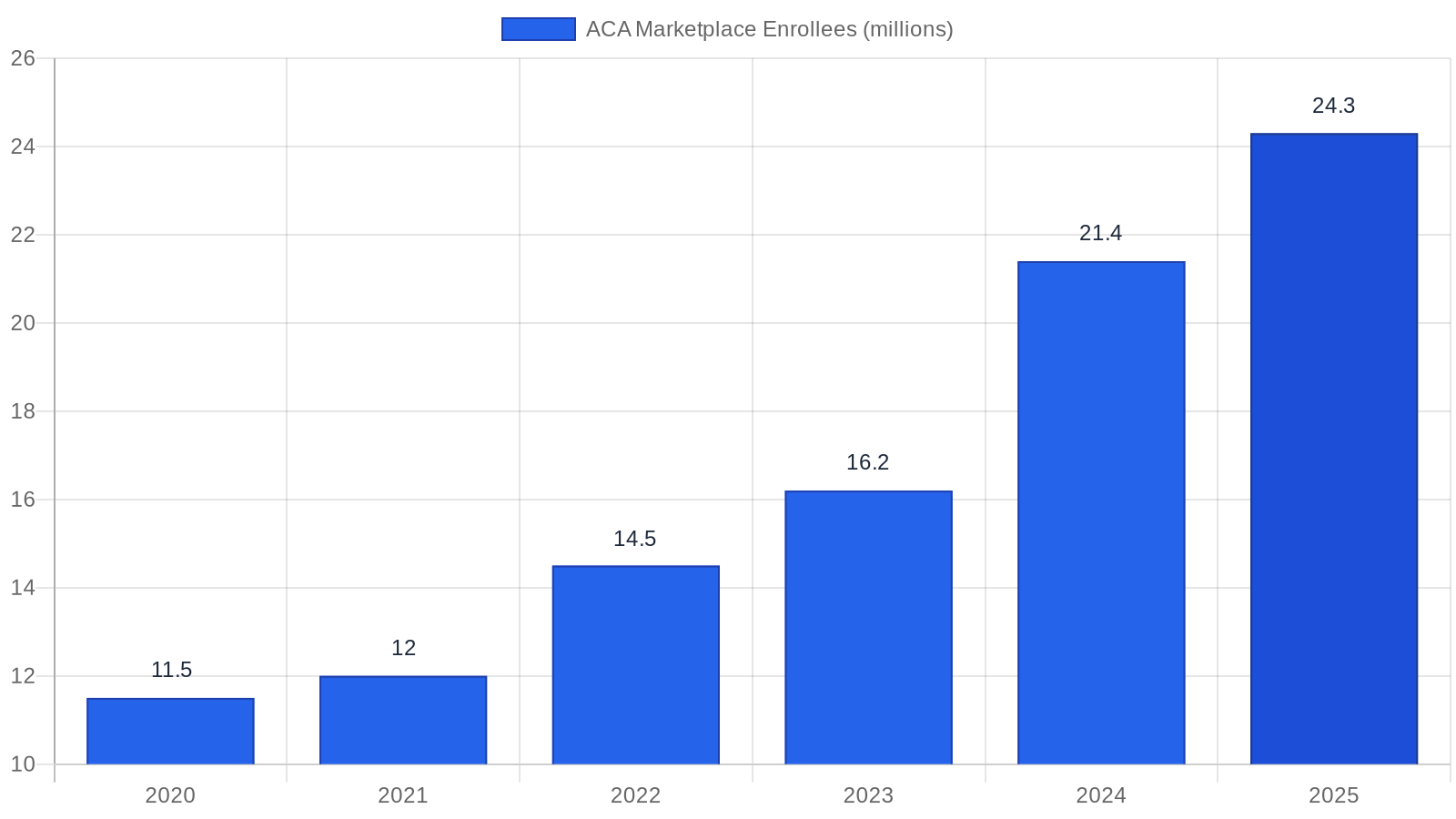
The landscape of individual health insurance changed significantly with the passage of the Affordable Care Act (ACA) in 2010. The ACA introduced consumer protections that still apply today, including coverage for pre-existing conditions, essential health benefits, and preventive care at no extra cost. It also created the Health Insurance Marketplace and income-based subsidies — known as premium tax credits — that help many people afford coverage they otherwise might not be able to access.
Whether you buy on or off the marketplace, individual health insurance gives you direct control over your coverage. That flexibility is one of its biggest advantages — and one of its biggest responsibilities.
How Individual Health Insurance Plans Are Structured
Before comparing specific plans, it helps to understand how individual health insurance is priced and how costs are shared between you and your insurer. Every plan involves a combination of the following components:
- Premium: The monthly amount you pay to maintain your coverage, regardless of whether you use any medical services that month.
- Deductible: The amount you pay out of pocket for covered services before your insurance begins to share the cost. For example, if your deductible is $2,000, you’ll pay the first $2,000 of covered expenses yourself.
- Copay: A fixed dollar amount you pay for specific services — like $30 for a primary care visit — often after your deductible has been met, depending on the plan.
- Coinsurance: Your share of costs after meeting your deductible, expressed as a percentage. If your coinsurance is 20%, you pay 20% of covered costs and your insurer pays the remaining 80%.
- Out-of-Pocket Maximum: The most you’ll have to pay in a plan year for covered services. Once you hit this limit, your insurance covers 100% of remaining covered costs for the rest of the year.
Understanding how these pieces interact is key to evaluating the true value of any individual health insurance plan. A plan with a low premium might carry a high deductible — meaning you’d pay more before coverage kicks in. Striking the right balance depends on your expected healthcare usage and financial situation.
The Different Types of Individual Health Insurance Plans
Not all individual health insurance plans work the same way. The plan type you choose determines how you access care, how much flexibility you have in choosing providers, and how your costs are structured.
HMO (Health Maintenance Organization)
HMO plans require you to choose a primary care physician (PCP) who coordinates your care. You’ll need referrals to see specialists, and coverage is generally limited to providers within the plan’s network. HMOs tend to have lower premiums and out-of-pocket costs, but less flexibility.
PPO (Preferred Provider Organization)
PPO plans give you more freedom to see any doctor — in-network or out-of-network — without a referral. You’ll pay less when you stay in-network, but you can see out-of-network providers at a higher cost. PPOs typically come with higher premiums than HMOs.
EPO (Exclusive Provider Organization)
EPOs combine features of HMOs and PPOs. Like a PPO, you don’t need referrals for specialists. But like an HMO, coverage is limited strictly to in-network providers — except in emergencies. EPOs often offer a middle-ground premium cost.
HDHP (High-Deductible Health Plan)
HDHPs have higher deductibles than traditional plans but lower monthly premiums. They’re often paired with a Health Savings Account (HSA), which allows you to set aside pre-tax dollars to pay for qualified medical expenses. The IRS guidelines on health savings accounts outline contribution limits and eligible expenses. HDHPs can be a smart choice for people who are generally healthy and want to build up tax-advantaged savings for future healthcare costs.
POS (Point of Service)
POS plans are a hybrid between HMO and PPO structures. You’ll choose a primary care physician and need referrals for specialists, but you can go out-of-network at a higher cost — similar to a PPO. POS plans are less common but available in some markets.
How to Compare Individual Health Insurance Options
Shopping for individual health insurance can feel like comparing apples to oranges — especially when plans differ in premiums, deductibles, networks, and benefits. Here’s a practical framework for making a meaningful comparison:
- Think about total cost, not just the premium. A plan with a lower monthly premium might cost you significantly more if it has a high deductible or limited drug coverage. Add up your likely annual premium plus expected out-of-pocket costs to get a clearer picture.
- Check the metal tiers. ACA marketplace plans are grouped into Bronze, Silver, Gold, and Platinum tiers. Bronze plans have lower premiums but higher cost-sharing; Platinum plans have higher premiums but cover more of your costs. Silver plans are the only tier eligible for cost-sharing reductions if you qualify based on income.
- Verify your doctors are in-network. Before enrolling, confirm that your preferred physicians, specialists, and hospital systems are included in the plan’s network.
- Review prescription drug coverage. Each plan has a formulary — a list of covered drugs — and assigns them to cost tiers. If you take regular medications, this can significantly affect your annual expenses.
- Look for telehealth and preventive benefits. Many plans now include telehealth services, and ACA-compliant plans must cover a set of preventive services at no cost to you.
If you’re currently without employer coverage, it’s also worth understanding how individual plans differ from group options. Our guide to Group Health Insurance for Small Businesses: What Owners Need to Know can help provide useful context if you’re a small business owner evaluating your options.
What Individual Health Insurance Typically Covers
Thanks to the Affordable Care Act, all ACA-compliant individual health insurance plans are required to cover a set of ten essential health benefits. These protections apply to all marketplace plans and most plans sold to individuals and small groups:
- Ambulatory patient services — outpatient care you receive without being admitted to a hospital
- Emergency services — emergency room visits and treatment
- Hospitalization — inpatient care, surgery, and overnight stays
- Maternity and newborn care — prenatal, labor, delivery, and postnatal care
- Mental health and substance use disorder services — behavioral health treatment, counseling, and psychotherapy
- Prescription drugs — coverage for a formulary of medications
- Rehabilitative and habilitative services and devices — services to help recover or maintain physical and cognitive function
- Laboratory services — diagnostic tests and screenings
- Preventive and wellness services — routine checkups, immunizations, and screenings
- Pediatric services — care for children, including dental and vision coverage
One key point: ACA-compliant plans must cover a broad list of preventive services — such as annual wellness visits, blood pressure screenings, and recommended vaccinations — at no cost to you, even before your deductible is met. This is one of the most valuable features of individual health insurance under current law.
What Individual Health Insurance Usually Does Not Cover
While individual health insurance provides broad protection, there are categories of care that most plans either exclude entirely or cover only with supplemental add-ons. Being aware of these gaps helps you plan accordingly:
- Cosmetic procedures: Elective surgeries or treatments performed for aesthetic reasons are generally not covered unless medically necessary.
- Long-term care: Custodial care — such as nursing home stays, assisted living, or ongoing help with daily activities — falls outside the scope of most health insurance plans. This is a significant coverage gap that warrants its own planning. If this concerns you, our article on Long-Term Care Insurance: What It Is and Why It Matters is a good place to start.
- Dental and vision care for adults: Most individual plans do not include adult dental or vision coverage. These typically require separate supplemental policies.
- Experimental treatments: Treatments that are not yet approved or widely accepted by the medical community are generally excluded.
- Non-emergency care received out-of-network: For HMO and EPO plans especially, receiving care outside the plan’s network can result in no coverage at all (outside of true emergencies).
Knowing what isn’t covered by your individual health insurance is just as important as knowing what is. Supplement gaps with dental, vision, or other ancillary policies as needed.
Enrollment Periods and Qualifying Life Events
One of the most important things to understand about individual health insurance is that you generally can’t enroll whenever you want. Coverage is tied to specific enrollment windows — missing them can leave you without options for months.
Open Enrollment Period (OEP): This is the annual window — typically running from November 1 through January 15 for most states using the federal marketplace — during which anyone can enroll in or change an individual health insurance plan. Coverage purchased during Open Enrollment typically begins January 1 of the following year.
Special Enrollment Period (SEP): Outside of Open Enrollment, you can only sign up for individual health insurance if you experience a qualifying life event. Common qualifying events include:
- Losing job-based health coverage
- Getting married or divorced
- Having a baby or adopting a child
- Moving to a new state or coverage area
- Turning 26 and aging off a parent’s plan
- Gaining or losing eligibility for Medicaid or CHIP
After a qualifying event, you typically have 60 days to enroll. Visit HealthCare.gov to check your eligibility for a Special Enrollment Period and see what documentation may be required.

How Much Does Individual Health Insurance Cost?
The cost of individual health insurance varies widely based on several factors. Understanding what drives your premium can help you find the best value for your situation.
Key factors that affect your premium:
- Age: Older applicants pay more. Under ACA rules, insurers can charge older adults up to three times as much as younger adults for the same plan.
- Location: Premiums vary significantly by state and even by county, based on local healthcare costs and insurer competition.
- Tobacco use: Insurers in most states can charge tobacco users up to 50% more than non-tobacco users.
- Plan tier: Bronze plans carry lower premiums; Platinum plans carry higher ones. The right tier depends on your expected healthcare usage.
- Household size and income: If you purchase through the marketplace and your income falls within certain limits, you may qualify for premium tax credits that reduce your monthly cost significantly.
Speaking of subsidies — the ACA’s premium tax credits have made individual health insurance accessible to many Americans who previously found marketplace coverage out of reach. Eligibility is based on your modified adjusted gross income relative to the federal poverty level. The NAIC consumer guidance offers additional context on how these financial assistance programs work and how to access them.
The bottom line: don’t assume individual health insurance is unaffordable before exploring your options. A licensed advisor can help you run the numbers.
Tips for Choosing the Right Plan for Your Situation
With so many variables in play, choosing the right individual health insurance plan comes down to matching coverage to your actual needs. Here are some practical tips to guide your decision:
- Assess your expected healthcare usage. If you rarely see a doctor, a high-deductible plan with a lower premium and an HSA might make financial sense. If you manage chronic conditions or take regular medications, a plan with richer benefits and lower cost-sharing may save you money overall.
- Confirm your providers are in-network. Before you enroll, verify that your primary care doctor, specialists, and preferred hospital are covered under the plan’s network. This one step can prevent costly surprises.
- Review prescription coverage carefully. Check the plan’s drug formulary to make sure your medications are covered — and at what tier. Tier placement affects your out-of-pocket cost significantly.
- Compare total annual cost, not just the premium. Add your annual premium to your estimated out-of-pocket costs (based on typical usage) to understand which plan truly offers the best value.
- Consider an HSA-eligible HDHP if you’re generally healthy. High-deductible plans paired with an HSA allow you to build tax-advantaged savings for future medical costs — a smart long-term strategy for healthy individuals.
- Think about your complete coverage picture. Health insurance is one piece of a broader financial safety net. Consider how your health plan works alongside other protections — for example, if you’re self-employed, having disability insurance to protect your income is equally important.
At Akston Insurance, our advisors work with clients across a wide range of health situations to identify the plans that make the most sense — not just on paper, but in real life. If you’re unsure where to start, a conversation with one of our team members can save you hours of comparison shopping.
Making the Most of Your Individual Health Insurance
Navigating individual health insurance doesn’t have to be a solo exercise. Whether you’re buying for the first time, reassessing your coverage during Open Enrollment, or responding to a life change that triggered a Special Enrollment Period, understanding your options puts you in a much stronger position.
Here’s a quick recap of what we covered: individual health insurance is coverage you buy on your own, structured around premiums, deductibles, and out-of-pocket costs. Plan types range from HMOs to PPOs to HDHPs, each with different tradeoffs between cost and flexibility. ACA-compliant plans cover ten essential health benefits and provide access to financial assistance for eligible buyers. Enrollment is time-sensitive — plan for Open Enrollment and act quickly after qualifying life events.
Healthcare coverage is one of the most important financial decisions you make each year. Getting it right means more than picking the cheapest plan — it means choosing coverage that actually works for you when you need it most. The team at Akston Insurance is here to help you do exactly that.